Industrial dust is often discussed as if it were a single challenge with a single solution. In reality, dust behaves differently across industries, processes, and environments. Treating all particulate emissions the same is one of the most common reasons dust control systems underperform.
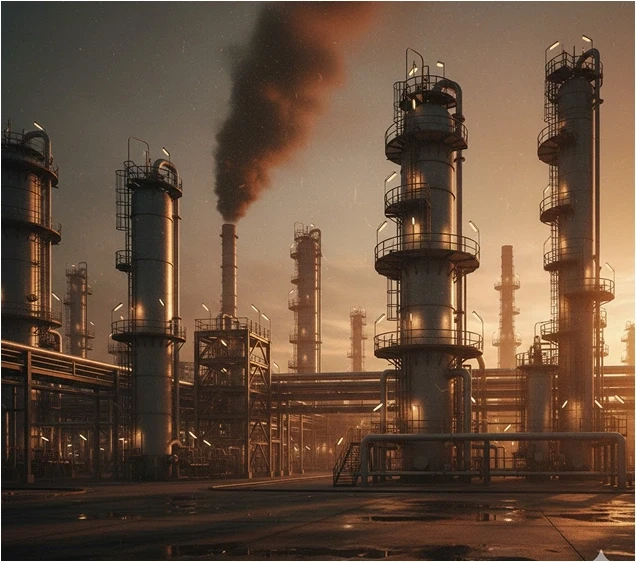
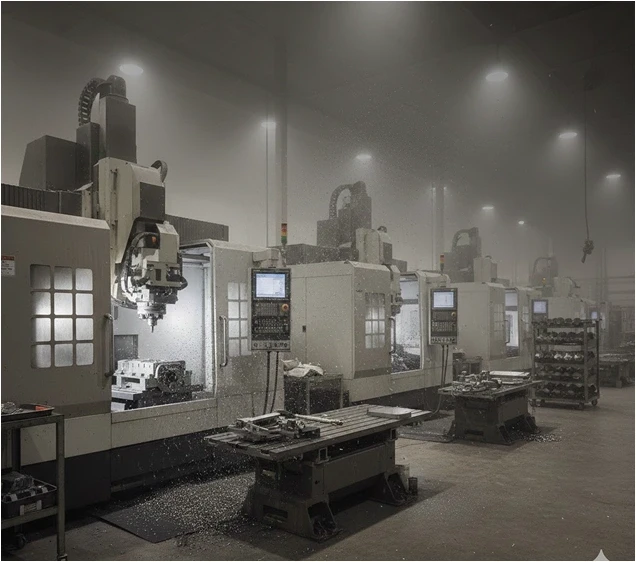
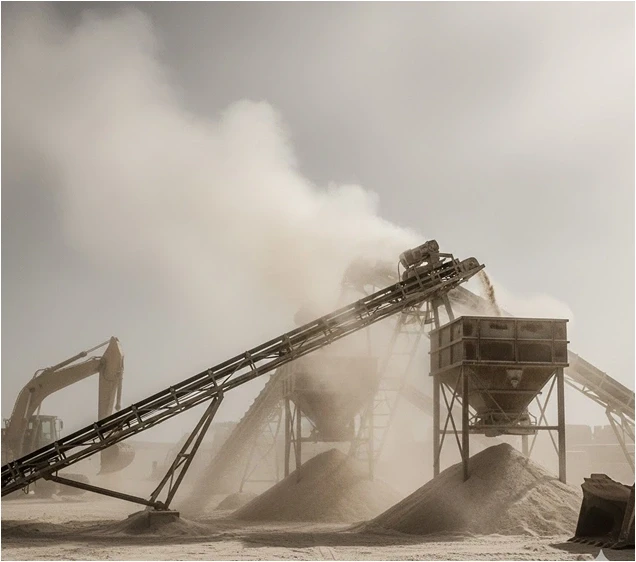
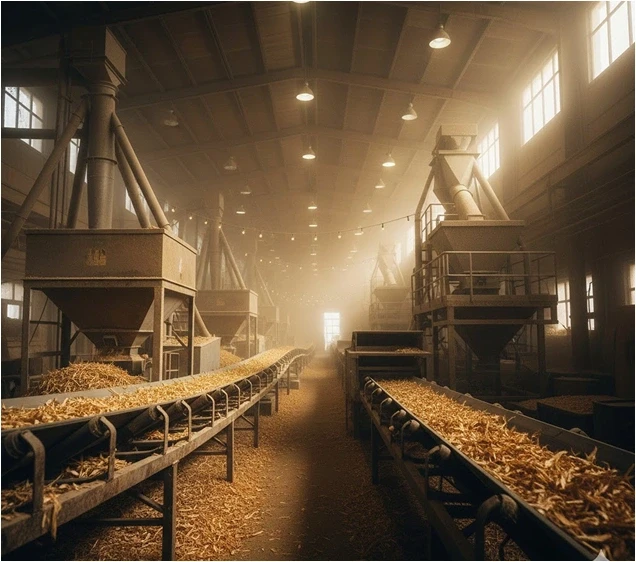
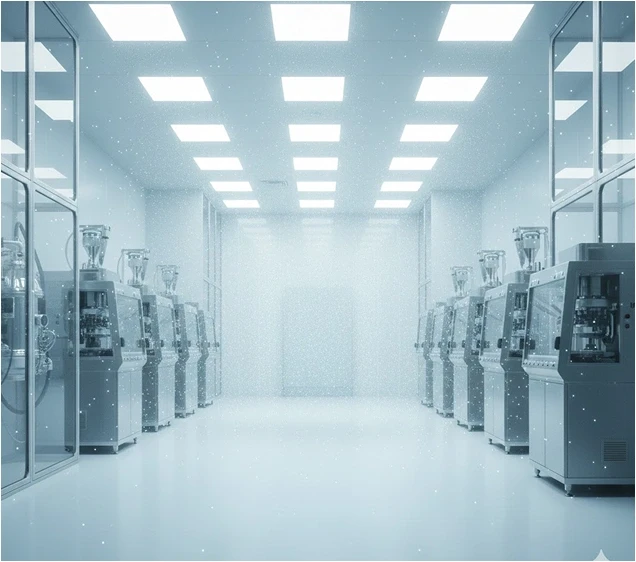
A cement plant dealing with dense PM10 emissions faces a fundamentally different challenge than a pharmaceutical facility handling micron-sized powders. Mining operations contend with heavy silica and mineral dust across open environments, while food processing plants manage combustible organic particles in enclosed spaces. Metalworking introduces sharp, abrasive particulates, and chemical processing may involve volatile or toxic compounds.
Each of these dust types varies in particle size, density, explosiveness, toxicity, and volume. These characteristics directly influence how dust must be captured, contained, and disposed of. Systems designed for one environment often fail when applied to another without modification.
Historically, many facilities adopted generic solutions in an attempt to standardize across operations. While this approach simplified procurement, it often introduced hidden costs. Systems were oversized to compensate for uncertainty, leading to higher energy consumption and maintenance. In other cases, systems were underspecified, resulting in ongoing exposure and compliance risk.
Modern dust control strategies take a different approach. Instead of forcing processes to adapt to equipment, they engineer systems around the process itself. This requires understanding where dust is generated, how it behaves once airborne, and what risks it presents at each stage of handling.
Modular system design has made customization more accessible than ever. Facilities can now deploy tailored solutions without complexity, scaling capacity as needed and adjusting placement based on real-world conditions. This allows precise control without overengineering.
Customization does not mean reinventing the wheel for every application. It means selecting the right combination of airflow, containment, filtration, and disposal mechanisms for each environment. When done correctly, it reduces energy use, minimizes maintenance, and improves capture efficiency.
The benefits extend beyond safety and compliance. Systems designed specifically for their operating conditions integrate more seamlessly into workflows, reduce interference with production, and deliver more consistent performance over time.
As industrial operations grow more specialized, dust control must evolve alongside them. The future belongs to systems that recognize complexity rather than ignoring it.
Effective dust control is not about having the biggest system or the most filters. It is about having the right system for the dust you actually generate.