In industrial environments where safety, compliance, and uptime are non-negotiable, procurement decisions are rarely made in isolation. Equipment purchases are evaluated not only on cost, but on risk, flexibility, and long-term operational impact. This is especially true for dust control systems, where the consequences of underperformance extend far beyond balance sheets.
Traditionally, industrial dust collectors were treated as permanent infrastructure — large capital investments installed once and expected to last for decades. Today, that mindset is changing. Increasingly, enterprises are choosing to rent dust control systems before committing to ownership, and in many cases, continuing with rental models long-term.
This shift is not driven by budget constraints alone. It reflects a deeper understanding of how modern operations evolve.
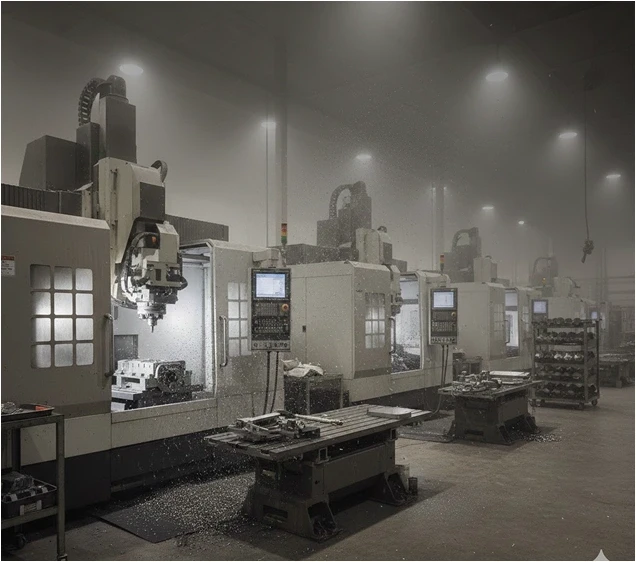
Manufacturing plants rarely remain static. Production lines are reconfigured, capacities are expanded, shutdowns are scheduled, and temporary processes are introduced. Fixed systems designed for a single layout struggle to adapt to these changes. Renting allows facilities to deploy dust control exactly where and when it is needed, without locking themselves into assumptions made years earlier.
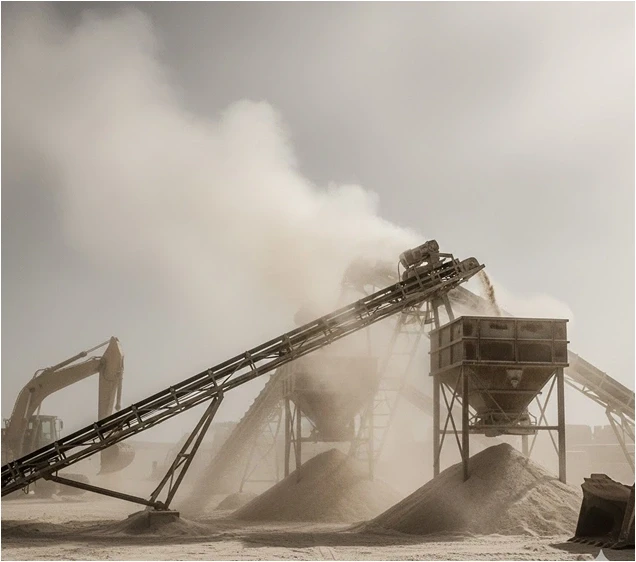
Rental systems are particularly valuable during maintenance shutdowns, construction phases, pilot projects, and seasonal demand spikes. They provide immediate protection without requiring civil work, ducting, or extended commissioning timelines. For facilities operating under tight schedules, the ability to deploy within hours rather than weeks is a decisive advantage.
Beyond speed, rental deployments offer something equally important: validation. By operating a system in real-world conditions, facilities can assess capture efficiency, airflow behavior, placement effectiveness, and maintenance requirements before making long-term commitments. This data-driven approach reduces the risk of oversizing, undersizing, or misconfiguring permanent installations.
Many enterprises follow a deliberate progression. They begin with rental systems, optimize deployment based on actual performance, and then transition to permanent installations once requirements are fully understood. Others retain rental models indefinitely, valuing the flexibility and reduced maintenance burden they provide.
Modern rental programs often include servicing, sealed dust disposal, and performance monitoring. This shifts responsibility away from in-house teams and allows operations to focus on production rather than equipment upkeep. In industries where skilled labor is scarce and downtime costly, this operational simplicity is a significant benefit.
Ultimately, the decision to rent or buy is no longer binary. The most effective dust control strategies recognize that flexibility is a form of resilience. By decoupling safety from permanent infrastructure, enterprises gain the ability to respond quickly to changing conditions without compromising protection.
In a landscape where uncertainty is the norm, smart capital strategy begins with optionality.