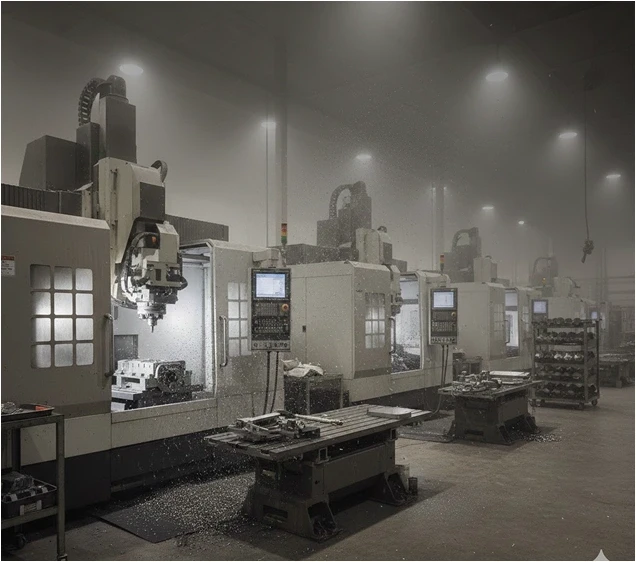
How airborne particulate emissions quietly undermine sustainability, worker safety, and regulatory compliance across heavy industries
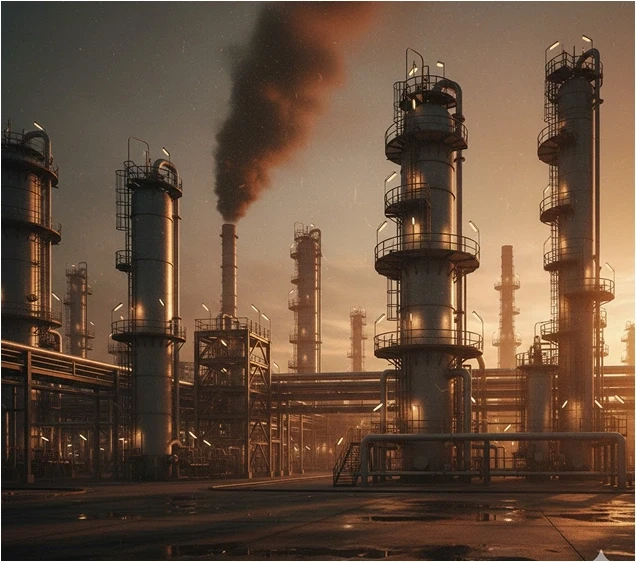
Industrial decarbonization has become one of the most widely discussed goals across manufacturing, energy, and infrastructure sectors. Governments, regulators, and enterprises alike are racing toward aggressive net-zero commitments, investing billions into cleaner energy sources, electrification, and efficiency upgrades.
Yet, beneath these high-visibility initiatives lies a less-discussed but equally critical obstacle — industrial dust and particulate emissions.
While carbon reduction strategies often focus on fuel sources and energy generation, airborne dust continues to pose a silent threat to both sustainability targets and human health. In many facilities, particulate emissions remain uncontrolled at the process level, undermining environmental gains and exposing workers to long-term health risks.
The challenge is not a lack of awareness — it is a lack of source-level intervention.
Decarbonization Isn’t Just About Energy — It’s About Exposure
When organizations talk about sustainability, conversations typically revolve around carbon dioxide, methane, and fossil fuel consumption. Rarely do they account for the massive volumes of particulate matter generated by industrial activity.
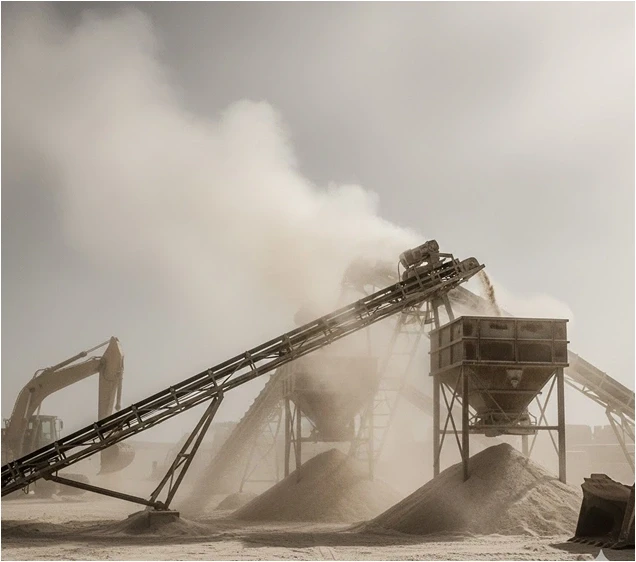
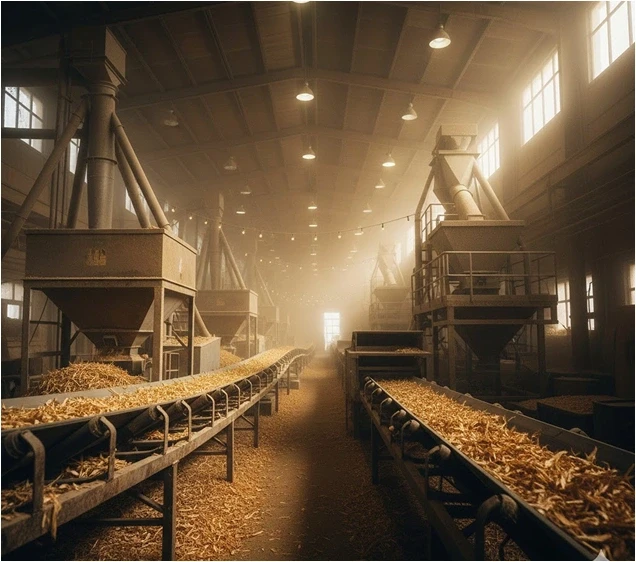
Processes such as cutting, grinding, blasting, conveying, mixing, and packaging release fine dust particles into the air. These particulates — including silica, metallic dust, coal ash, cement fines, and chemical powders — often remain suspended long after production stops.
Unlike visible emissions, fine particulate matter is easy to overlook. PM2.5 and PM10 particles are small enough to penetrate deep into the lungs, contributing to chronic respiratory disease, cardiovascular issues, and long-term occupational illness.
From a sustainability standpoint, uncontrolled dust increases filtration waste, contaminates surrounding environments, and drives up maintenance and energy consumption. From a human standpoint, it creates invisible exposure zones that personal protective equipment alone cannot fully mitigate.
True sustainability must account for what workers breathe, not just what facilities burn.
Why Traditional Dust Control Strategies Fall Short
Many industrial plants still rely on centralized ducted systems or general air purification to manage dust. While these approaches may reduce visible accumulation, they often fail to capture particulates at the moment they are generated.
Once dust enters the air, it spreads unpredictably. It settles on equipment, infiltrates sensitive processes, and re-enters breathing zones through foot traffic and air circulation. Maintenance activities frequently re-expose workers when filters are changed or waste is handled improperly.
The result is a reactive system — one that treats symptoms rather than causes.
Modern industrial operations demand a shift toward source-capture dust control, where particulates are removed directly at the point of generation before they can disperse.
Source Capture: The Missing Link in Industrial Sustainability
Leading manufacturers are increasingly recognizing that dust control must be engineered into the process itself. By deploying freestanding, duct-free dust extraction systems at emission points, facilities prevent particulate matter from ever becoming airborne.
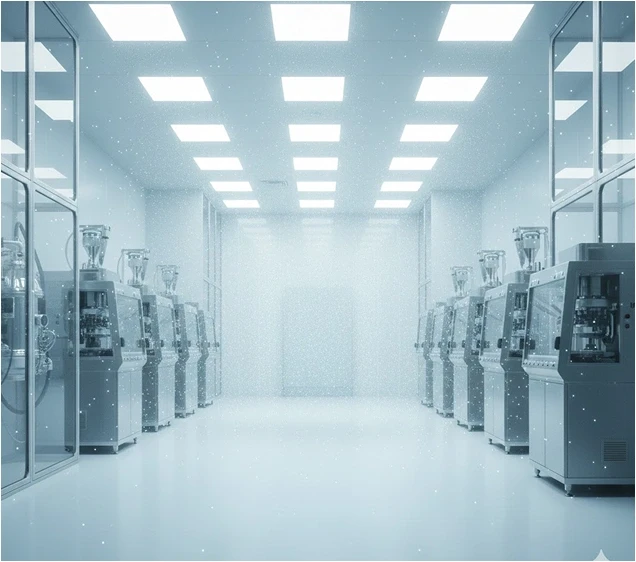
This approach delivers several compounding benefits. Worker exposure is reduced dramatically, as dust never reaches breathing zones. Product contamination risk declines, especially in industries such as pharmaceuticals, food processing, and advanced manufacturing. Equipment stays cleaner, extending service life and reducing downtime.
From an environmental perspective, sealed containment systems prevent secondary emissions during disposal and maintenance. Dust is captured, sealed, and removed without re-entry into the workspace or surrounding environment.
In effect, source capture transforms dust from a facility-wide hazard into a controlled, isolated byproduct.
Regulatory Pressure Is Shifting Toward Engineering Controls
Across industries, regulatory bodies are placing increasing emphasis on engineered safety solutions rather than procedural safeguards alone. Reliance on PPE, housekeeping, and administrative controls is no longer sufficient to demonstrate compliance in high-risk environments.
Facilities handling silica, metallic dust, coal ash, or chemical powders are expected to prove that exposure risks are mitigated at the system level. This is particularly true for industries operating in power generation, mining, construction, cement, and heavy manufacturing.
Engineering controls such as sealed dust extraction and containment are now viewed as best practice — not optional upgrades.
Organizations that invest early in source-level dust control are better positioned to meet evolving regulations without disruptive retrofits or operational shutdowns.
Sustainability, Safety, and Productivity Are No Longer Separate Goals
Historically, environmental initiatives, worker safety programs, and productivity improvements were treated as separate efforts. Today, they are deeply interconnected.
Uncontrolled dust compromises air quality, damages equipment, increases cleaning cycles, and contributes to unplanned downtime. It raises insurance risk, accelerates regulatory scrutiny, and impacts workforce retention.
Conversely, facilities that implement modern dust control systems often see measurable gains in operational efficiency alongside safety improvements. Cleaner environments enable smoother workflows, fewer interruptions, and more predictable maintenance schedules.
Sustainability, when executed properly, does not slow production — it strengthens it.
The Path Forward: Designing for Zero Exposure
Industrial decarbonization cannot succeed if worker exposure and particulate emissions are treated as secondary concerns. True progress requires addressing all forms of industrial pollution — visible and invisible alike.
By prioritizing dust capture at the source, manufacturers move closer to a future where productivity, compliance, and sustainability reinforce one another rather than compete.
The road to net-zero does not end with cleaner energy. It begins with cleaner air on the factory floor.